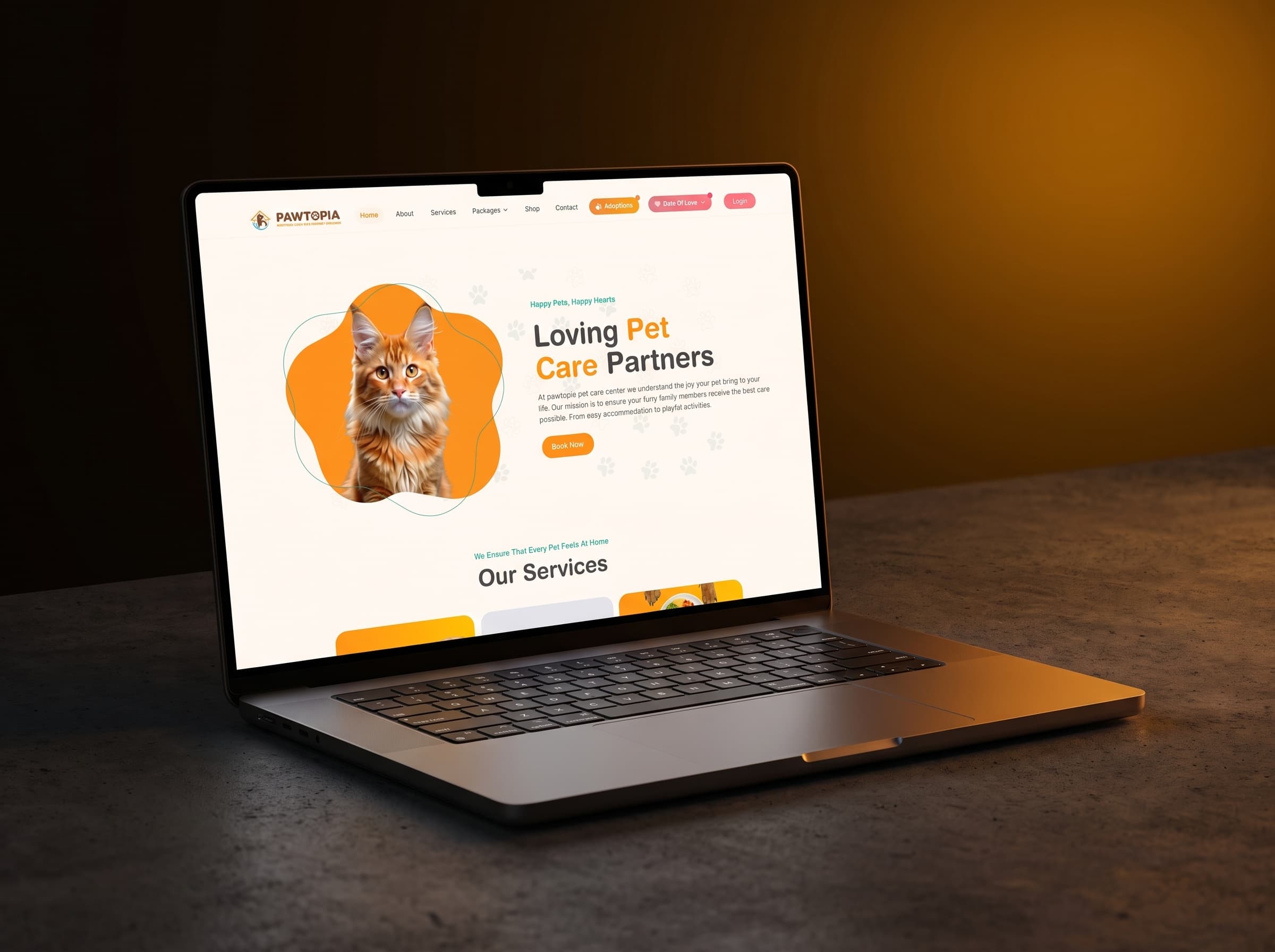
Pawtopia - Pet Care & Services Platform ↗
Account, wallet and service-management workflows relevant to product planning. This is an application example, not a claim of a launched multi-tenant SaaS.
For founders turning a product idea into an MVP, or teams deciding how to structure an application used by multiple organizations. Start by defining the first customer workflow before committing to a large platform.
Based in Sri Lanka · Remote collaboration worldwide · Meeting overlap and written updates agreed for your time zone.
Scope and success criteria are agreed for your project. Results depend on implementation and use.
Turn a product idea into a focused application scope. Architecture decisions follow the customer workflow, isolation requirements and operating constraints rather than an assumed need for a large platform.
Compare account and organization models, access rules and data isolation before choosing an implementation.
Scope billing-provider integration after checking business eligibility, supported currencies and subscription requirements.
Build the essential customer workflow and the operational screens needed to support an initial release.
Technology choices: Node.js · PostgreSQL · Stripe API · AWS · Redis. The stack is selected to fit the requirements.
Account, wallet and service-management workflows relevant to product planning. This is an application example, not a claim of a launched multi-tenant SaaS.
Yes. We can define a narrow release around the core customer workflow and defer features that are not needed to test it.
No. The choice depends on customer isolation, permissions, operating costs and expected scale. We compare the tradeoffs before selecting a data model.
Billing is a separate part of the agreed scope. Provider availability, currencies, tax and business requirements need review before choosing an integration.
Share your current workflow, intended users, existing tools and any launch constraints. Include your time zone and budget range if known. We can discuss fit, define the next milestone and agree a proposal before development starts.